








The Science Behind the Strongest Antioxidant in Nature
Understanding Antioxidants
Antioxidants are compounds that protect cells from damage caused by free radicals, which are unstable molecules that can harm cellular components. This oxidative stress can lead to various health issues, including heart disease, cancer, and premature aging. Antioxidants neutralize free radicals, reducing their harmful effects and supporting overall health. They are essential in the body’s arsenal against oxidative damage, playing critical roles in maintaining cellular integrity and promoting longevity.
What Makes Astaxanthin Unique?
Astaxanthin stands out among antioxidants due to its molecular structure and impressive capabilities. As a carotenoid, Astaxanthin exhibits unique properties that enable it to deactivate free radicals more effectively than many other antioxidants. It has a unique shape, allowing it to span cell membranes and protect both sides from oxidative stress. This dual protective ability enhances its effectiveness significantly, making it the strongest antioxidant in nature.
Health Benefits of Astaxanthin
Astaxanthin offers a range of health benefits owing to its powerful antioxidant properties. Research indicates that it can reduce inflammation, promote cardiovascular health, and enhance skin health. It’s also recognized for its potential to improve exercise performance by reducing muscle fatigue and enhancing recovery times. These attributes make Astaxanthin a prime candidate for those seeking to bolster their overall health and fitness levels.
Sources of the Strongest Antioxidant in Nature
Natural Origins: Algae and Seafood
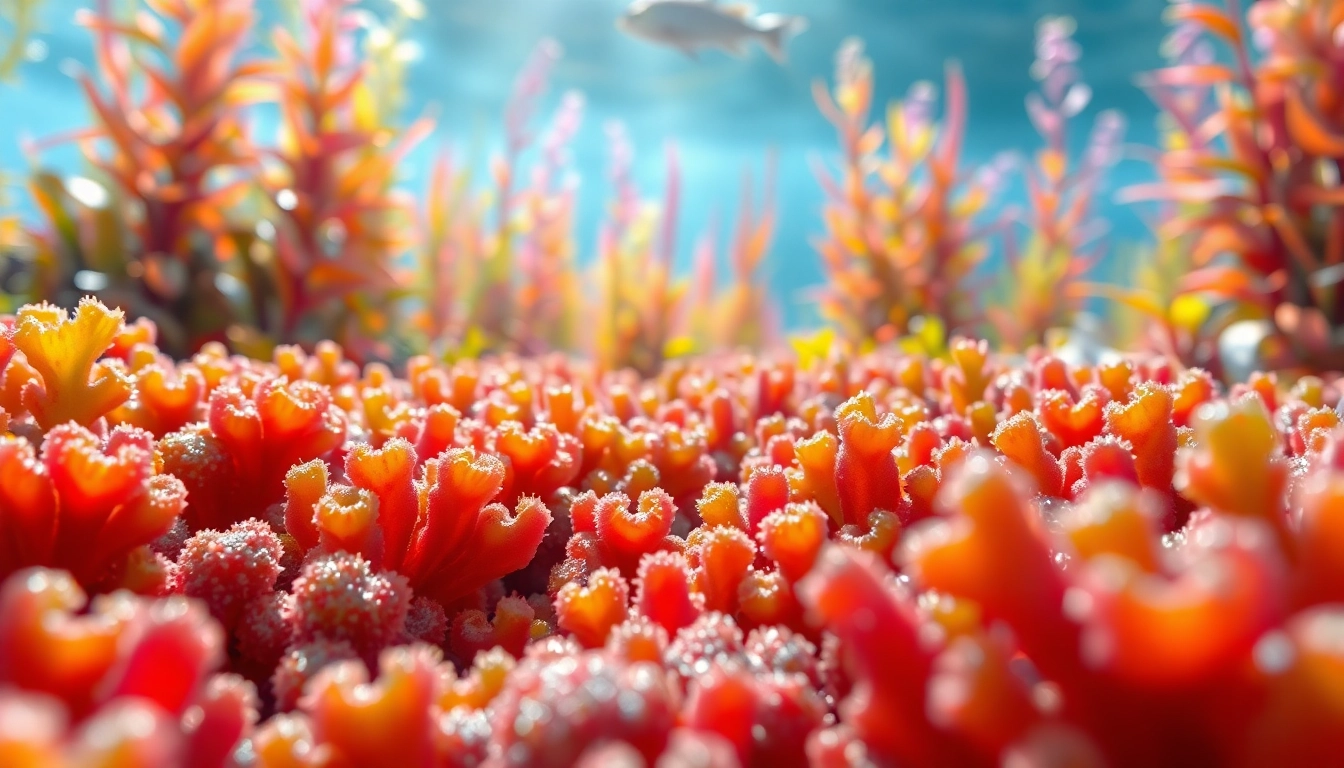
The primary natural sources of Astaxanthin are microalgae, particularly Haematococcus pluvialis, which produces high levels of this carotenoid when stressed by UV light or nutrient depletion. Astaxanthin is also found abundantly in seafood, such as salmon, shrimp, lobster, and trout, which obtain it through their diet of algae and other marine organisms. These sources not only provide Astaxanthin but also other beneficial nutrients, making them excellent dietary options.
Supplements and Their Efficacy
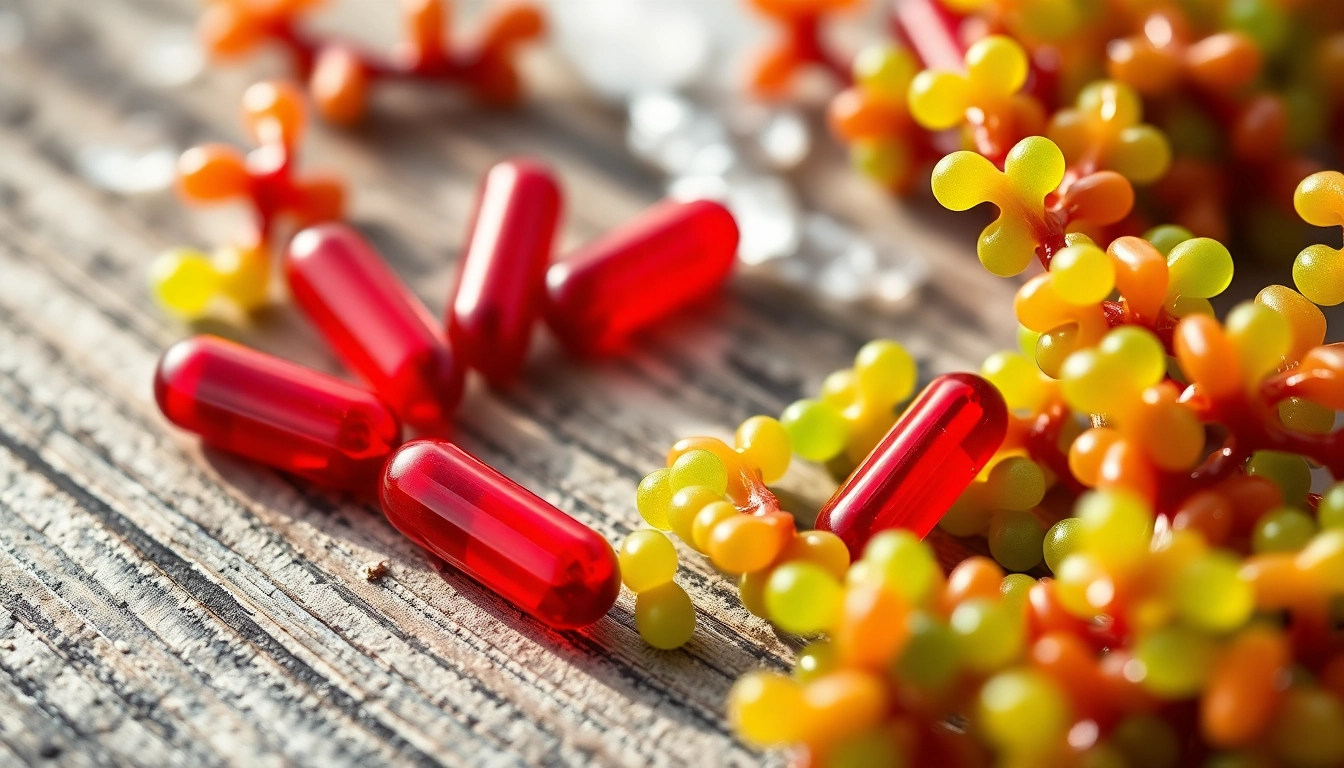
For those who may not consume enough Astaxanthin through their diet, supplements are available. These typically come in softgel or capsule forms and can provide concentrated doses of Astaxanthin. The efficacy of Astaxanthin supplements has been supported by various studies, showing that they can enhance antioxidant status and may offer protective health benefits comparable to dietary sources.
Recommended Dosages for Optimal Benefits
While optimal dosages may vary depending on individual health needs and conditions, general recommendations suggest taking between 4 to 12 mg of Astaxanthin daily to reap its benefits effectively. Consulting with a healthcare provider prior to starting any supplement is advisable to tailor the dosage to personal health circumstances and objectives.
Astaxanthin and Its Role in Health
Skin Health: Protection Against UV Damage
Astaxanthin has gained attention for its role in skin health, particularly its ability to protect against UV damage. Research shows that it can enhance skin moisture, elasticity, and overall appearance while reducing the visibility of fine lines and wrinkles. This is largely due to its potent antioxidant capabilities, which combat oxidative stress caused by sun exposure, thus promoting a healthier complexion.
Eye Health: How It Supports Vision
Another significant area where Astaxanthin shines is in supporting eye health. It has been found to accumulate in the retina, where it may protect eyes from damage caused by free radicals and blue light exposure. Studies suggest that Astaxanthin can improve visual acuity, reduce eye fatigue, and potentially lower the risk of macular degeneration, offering a protective effect throughout the lifespan.
Promoting Cardiovascular Health
Astaxanthin contributes positively to cardiovascular health by lowering blood lipid levels, reducing oxidative stress, and improving endothelial function. This helps in maintaining healthy blood vessels and reducing the risk of cardiovascular disease. Its anti-inflammatory properties are particularly crucial, promoting better circulation and heart health through various mechanisms.
Antioxidant Comparisons
Astaxanthin vs. Other Antioxidants
When compared to other well-known antioxidants like Vitamin C, Vitamin E, and CoQ10, Astaxanthin exhibits superior potency. Its structure allows for better free radical quenching, making it more effective at lower doses. While other antioxidants are beneficial in their own right, studies indicate that Astaxanthin can offer a greater protective effect for cellular health.
Why Choose Astaxanthin?
Choosing Astaxanthin as a dietary supplement or functional food can provide numerous health advantages. Its unique properties, including its ability to traverse cell membranes and its stability against oxidation, make it a robust option. Additionally, its broad range of benefits—from cardiovascular protection to skin rejuvenation—sets it apart from traditional antioxidants.
Real-life Applications and Benefits
The applications of Astaxanthin are diverse, ranging from skin care formulations to nutritional supplements aimed at enhancing athletic performance and recovery. Athletes, in particular, may benefit from its ability to reduce inflammation and speed up recovery times, making it a favored choice in sports nutrition. Moreover, its use in skin care products is on the rise, highlighting its multi-faceted role in promoting health and wellness.
Frequently Asked Questions
What is the strongest antioxidant in nature?
Astaxanthin, a carotenoid found in certain algae and seafood, is known as the strongest antioxidant in nature due to its potent ability to neutralize free radicals.
How can I incorporate Astaxanthin into my diet?
You can consume Astaxanthin through dietary sources like salmon and krill or take it as a supplement available in capsule form.
What are the main health benefits of Astaxanthin?
Astaxanthin offers numerous health benefits, including improved skin health, enhanced cardiovascular function, and support for eye health.
Is Astaxanthin safe for everyone?
Generally, Astaxanthin is safe for most people; however, it’s advised to consult with a healthcare provider before starting any new supplement.
Can Astaxanthin help with exercise performance?
Yes, studies suggest that Astaxanthin may improve endurance, reduce muscle fatigue, and enhance recovery after intense exercise.