







Understanding Hydrophones and Their Applications
Hydrophones are specialized microphones designed for underwater use, capturing the myriad sounds that exist beneath the surface. These devices play a crucial role in marine research, environmental monitoring, and underwater acoustics. With advancements in technology, hydrophones have evolved, making them more accessible and effective for a variety of applications. At Seis Tech, we provide high-quality hydrophone products certified with industry standards to ensure reliability and performance.
What is a Hydrophone?
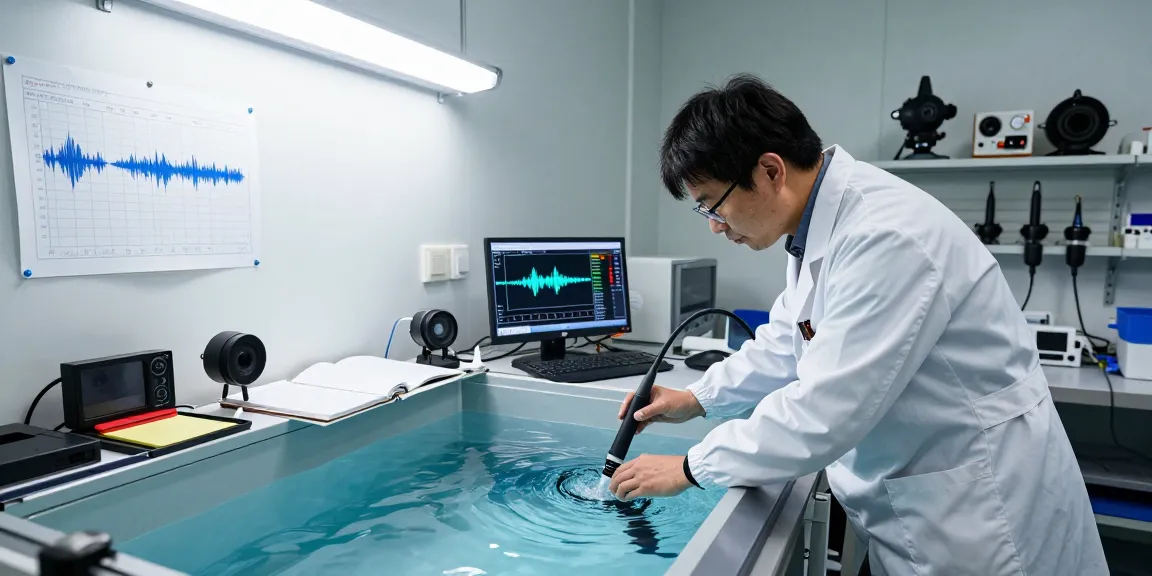
A hydrophone can be described as an underwater microphone that detects and records sound waves in aquatic environments. Most hydrophones utilize piezoelectric transducers to convert the mechanical vibrations of sound waves into electrical signals, which can then be analyzed or recorded. This technology is essential for capturing a wide range of underwater sounds, from marine life calls to environmental noise pollution.
Types of Hydrophones Available
There are various types of hydrophones tailored for different purposes. The primary categories include:
- Directional Hydrophones: These are designed to capture sound from a specific direction, minimizing background noise and optimizing signal clarity.
- Omnidirectional Hydrophones: These devices capture sound from all directions, making them ideal for broad environmental monitoring.
- Submersible Hydrophones: Built to withstand high pressures and corrosive underwater environments, these hydrophones are often used in deep-sea applications.
- Research Hydrophones: Specifically engineered for scientific studies, these hydrophones offer high fidelity and sensitivity for acoustic research.
Common Applications in Marine Research
Hydrophones have a myriad of applications in marine research, including:
- Monitoring Marine Life: Researchers use hydrophones to study the vocalizations of marine mammals, assisting in the understanding of their behavior and communication.
- Underwater Noise Pollution Assessment: Hydrophones can measure noise levels in oceans, helping to assess the impact of human activities on marine ecosystems.
- Seafloor Mapping: By capturing sound waves, hydrophones aid in mapping the seafloor terrain and identifying geological features.
- Environmental Monitoring: Hydrophones play a pivotal role in monitoring changes in ecosystems and can provide data on the health of marine environments.
Advantages of Using Hydrophones in Research
The utilization of hydrophones in marine research offers several significant benefits, which enhance the efficiency and effectiveness of data collection.
Cost-Effectiveness of Hydrophone Usage
One of the notable advantages of hydrophones is their cost-effectiveness. Compared to other underwater sensing technologies, hydrophones can be deployed at a relatively lower cost while providing comprehensive data. They can operate continuously over extended periods, reducing the need for costly manpower and equipment maintenance.
Time-Saving Techniques with Modern Hydrophones
Modern hydrophone systems have embraced advancements in automation and data processing, allowing researchers to collect and analyze data more rapidly than ever before. Some hydrophones are equipped with built-in data loggers, enabling real-time data transmission and interpretation, which significantly accelerates research timelines.
Improving Data Accuracy with Advanced Hydrophone Technology
Hydrophones have evolved to offer higher sensitivity and better frequency response, increasing the accuracy of captured data. Enhanced calibration techniques ensure that even the faintest underwater sounds can be detected, providing researchers with valuable insights into marine life behavior and environmental changes.
Integrating Hydrophones into Research Methodologies
To maximize the benefits of hydrophones, it is essential to integrate them effectively into research methodologies.
Best Practices for Deploying Hydrophones
When deploying hydrophones, researchers should adhere to best practices such as:
- Choosing the appropriate type of hydrophone based on research goals.
- Carefully selecting deployment sites to ensure optimal sound capture.
- Considering environmental factors such as water temperature, salinity, and currents that can affect sound transmission.
Data Collection and Analysis Techniques
Hydrophone data collection should be systematic, employing standardized techniques to ensure consistency and accuracy. Analysis often involves using software tools specializing in audio analysis, which can filter out noise and highlight relevant signals.
Real-World Case Studies of Hydrophone Implementation
Several successful case studies showcase the effective implementation of hydrophones in various research projects. For instance, researchers studying the impacts of shipping noise on whale communication utilized hydrophone arrays to capture and analyze vocalizations, leading to significant insights into the species’ behavior.
Challenges and Solutions in Hydrophone Research
While hydrophones offer invaluable insights, researchers face certain challenges that must be addressed to optimize their research efforts.
Common Obstacles Faced by Researchers
Some common challenges include:
- Interference from ambient noise, making it difficult to isolate specific sounds.
- Corrosion or damage to hydrophone equipment due to harsh underwater conditions.
- High costs associated with advanced hydrophone systems.
Innovative Solutions to Hydrophone Limitations
To offset these challenges, researchers can adopt innovative solutions such as:
- Utilizing software algorithms to filter out background noise and enhance signal clarity.
- Investing in robust materials and protective housings for hydrophones to prolong their lifespan.
- Exploring grant opportunities and collaborative funding to reduce equipment costs.
Future Trends in Hydrophone Development
As technology continues to advance, several trends can be anticipated in hydrophone development:
- Integration of artificial intelligence (AI) to facilitate real-time analysis and decision-making.
- Development of smaller, more efficient hydrophone designs that can be deployed in challenging environments.
- Increased focus on environmentally friendly materials in hydrophone manufacturing.
Conclusion and Future Directions in Hydrophone Technology
The landscape of hydrophone technology is ever-evolving, presenting opportunities for significant advancements in underwater research. As aquatic ecosystems face growing pressures from human activity, the role of hydrophones in monitoring and studying these environments becomes increasingly vital.
Looking Ahead: Emerging Trends for 2026
By 2026, we can expect to see further improvements in hydrophone technology, including enhanced sensitivity and expanded capabilities that will revolutionize how researchers interact with underwater environments. The integration of machine learning in acoustic data interpretation will also transform how marine scientists analyze and understand underwater sounds.
Final Thoughts on Hydrophone Innovations
Hydrophones are indispensable tools in marine research. For more information, resistivity cable offers valuable insights. With the ongoing innovations in technology, the potential for hydrophones to uncover new knowledge about our oceans is immense. Researchers who adopt these technologies stand to gain not only scientifically but also in their ability to advocate for the protection of marine environments.
FAQs About Hydrophone Usage in Marine Research
- What is the primary function of a hydrophone? Hydrophones are used to detect, record, and analyze underwater sounds for various applications including marine biology and environmental monitoring.
- Are there specific hydrophones recommended for studying marine mammals? Yes, directional hydrophones are often recommended as they can minimize surrounding noise and focus on the sounds produced by marine mammals.
- How deep can hydrophones be deployed? The deployment depth of hydrophones varies based on the device specifications, but many are designed to operate at significant depths in oceanic environments.