








Understanding Antioxidants
What are Antioxidants?
Antioxidants are natural compounds found in various foods and beverages that help protect the body from oxidative stress. They combat free radicals—unstable molecules that can cause cellular damage, leading to chronic diseases, aging, and overall deterioration of health. Antioxidants neutralize these free radicals by donating an electron, thus stabilizing them. This crucial function supports the body’s defense mechanisms and promotes longevity and vitality.
Why Antioxidants Matter
The importance of antioxidants lies in their protective capabilities against oxidative stress. In today’s world, where pollution, poor dietary choices, and stressors are rampant, the body’s natural ability to manage free radicals can become overwhelmed. Chronic oxidative stress is linked to serious conditions like cancer, heart disease, and neurodegenerative disorders. By incorporating antioxidants into your diet, you can bolster your body’s defenses, promote cellular health, and maintain better overall wellness.
Types of Antioxidants
There are two primary types of antioxidants:
- Enzymatic antioxidants: These are produced by the body and include enzymes like superoxide dismutase and catalase, which play a direct role in neutralizing free radicals.
- Non-enzymatic antioxidants: These include vitamins (such as vitamins C and E), minerals (like selenium), and phytonutrients (such as flavonoids and carotenoids) found in a wide variety of fruits and vegetables.
Each type contributes uniquely to health, emphasizing the importance of a well-rounded diet rich in diverse antioxidant sources.
Astaxanthin: Nature’s Powerhouse
What is Astaxanthin?
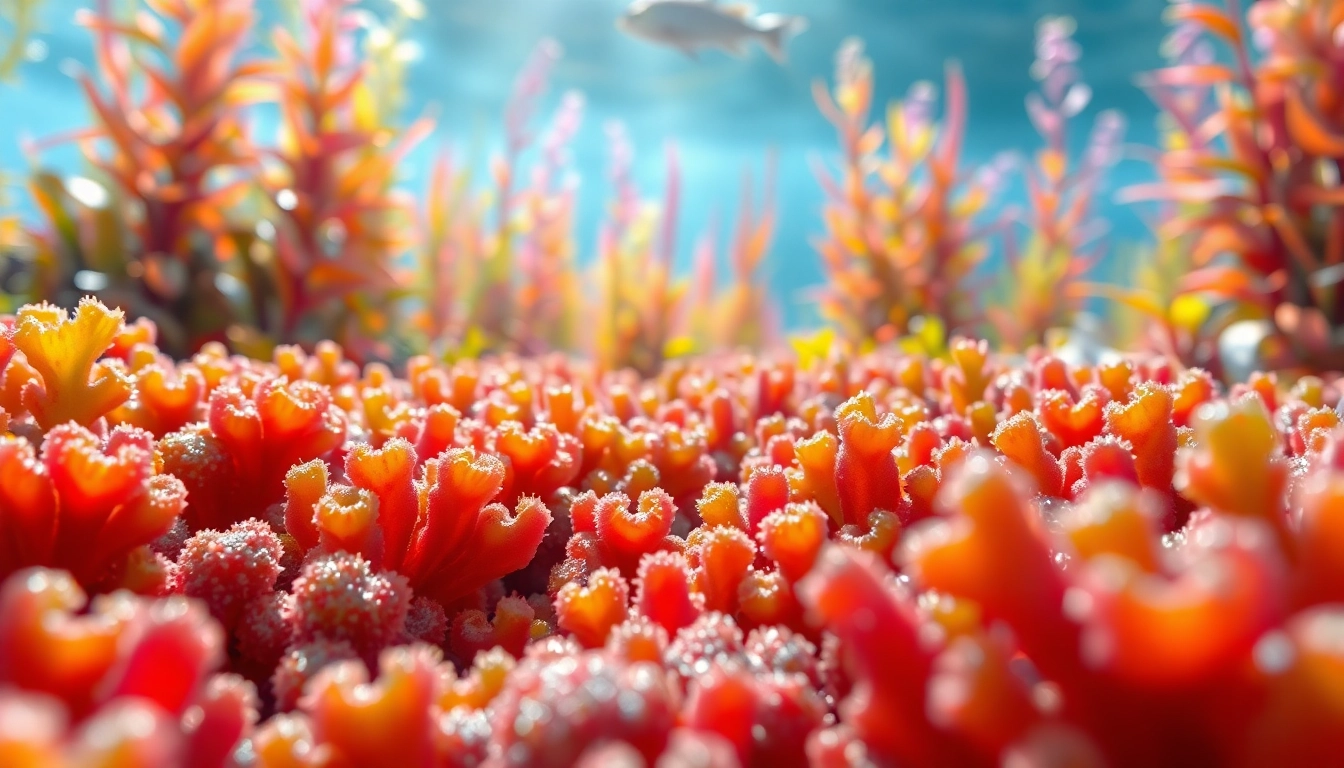
Astaxanthin is a naturally occurring carotenoid known for its vibrant reddish-orange color, primarily found in marine organisms such as shrimp, crab, salmon, and microalgae. It is often heralded as the strongest antioxidant in nature due to its high potency in neutralizing free radicals. Its unique molecular structure allows it to cross cell membranes easily, providing cellular protection and promoting health benefits.
Sources of Astaxanthin
Dietary sources of astaxanthin include:
- Salmon: Wild-caught salmon is one of the richest sources of astaxanthin.
- Krill: Small crustaceans like krill offer significant amounts of this powerful antioxidant.
- Microalgae: The most notable source is Haematococcus pluvialis, a type of freshwater algae with exceptionally high levels of astaxanthin.
- Your dietary options: Some functional foods and supplements also provide concentrated doses of astaxanthin for those who may not consume enough through diet.
Health Benefits of Astaxanthin
Astaxanthin offers a multitude of health benefits, making it a valuable addition to one’s diet:
- Inflammation Reduction: Astaxanthin possesses anti-inflammatory properties that can help reduce joint pain and muscle soreness, promoting quicker recovery after exercise.
- Eye Health: Its ability to protect the eyes from oxidative stress helps enhance visual acuity and reduce the risk of age-related macular degeneration.
- Heart Health: Astaxanthin improves cardiovascular health by lowering LDL cholesterol and improving blood flow, thereby reducing the risk of heart disease.
- Skin Protection: Known for its ability to protect the skin from UV radiation, it also helps maintain skin elasticity and hydration.
- Brain Health: Astaxanthin has been shown to support cognitive function and may help in the prevention of neurodegenerative diseases.
Why Astaxanthin is the Strongest Antioxidant in Nature
Mechanisms of Action
Astaxanthin’s strength as an antioxidant comes from its unique chemical structure, which allows it to reside in both the aqueous and lipid layers of cells. This positioning enables it to combat oxidative stress effectively and protect cell membranes from damage. Unlike other antioxidants that only work in one location, astaxanthin can neutralize free radicals in various parts of the cell. It also enhances the effectiveness of other antioxidants, creating a synergistic effect that maximizes overall antioxidant capacity.
Comparative Analysis with Other Antioxidants
When compared to other well-known antioxidants, the efficacy of astaxanthin stands out:
| Antioxidant | ORAC Value (Oxygen Radical Absorbance Capacity) | Effectiveness |
|---|---|---|
| Astaxanthin | Astaxanthin has an ORAC value reported to be up to 6000 times stronger than Vitamin C. | Exceptional |
| Vitamin C | ORAC value around 4,000 | Good |
| Vitamin E | ORAC value around 1,000 | Moderate |
This comparison further highlights why astaxanthin is often referred to as the strongest antioxidant in nature, offering superior protective benefits.
Scientific Research Supporting Astaxanthin’s Efficacy
Numerous studies substantiate astaxanthin’s health benefits. Research indicates that astaxanthin can significantly lower oxidative stress markers in humans and animal models. Clinical trials have shown reductions in inflammation and improved recovery times in athletes. Moreover, studies have suggested positive effects on blood lipid profiles and support for healthy skin aging. These findings collectively establish astaxanthin as a crucial player in the antioxidant landscape.
Incorporating Astaxanthin into Your Diet
Dietary Sources of Astaxanthin
To reap the benefits of astaxanthin, consider integrating the following foods into your diet:
- Seafood: Incorporate wild-caught salmon, crab, and shrimp which are rich in astaxanthin.
- Algal Oil: Look for algal oil supplements derived from Haematococcus pluvialis.
- Fortified Foods: Some health products and beverages are being fortified with astaxanthin for additional health benefits.
Regular intake of these foods can help maintain optimal antioxidant levels in your body.
Supplementation Considerations
While astaxanthin can be obtained through diet, supplementation can also be beneficial, especially for those not consuming enough sources. Consider the following when choosing astaxanthin supplements:
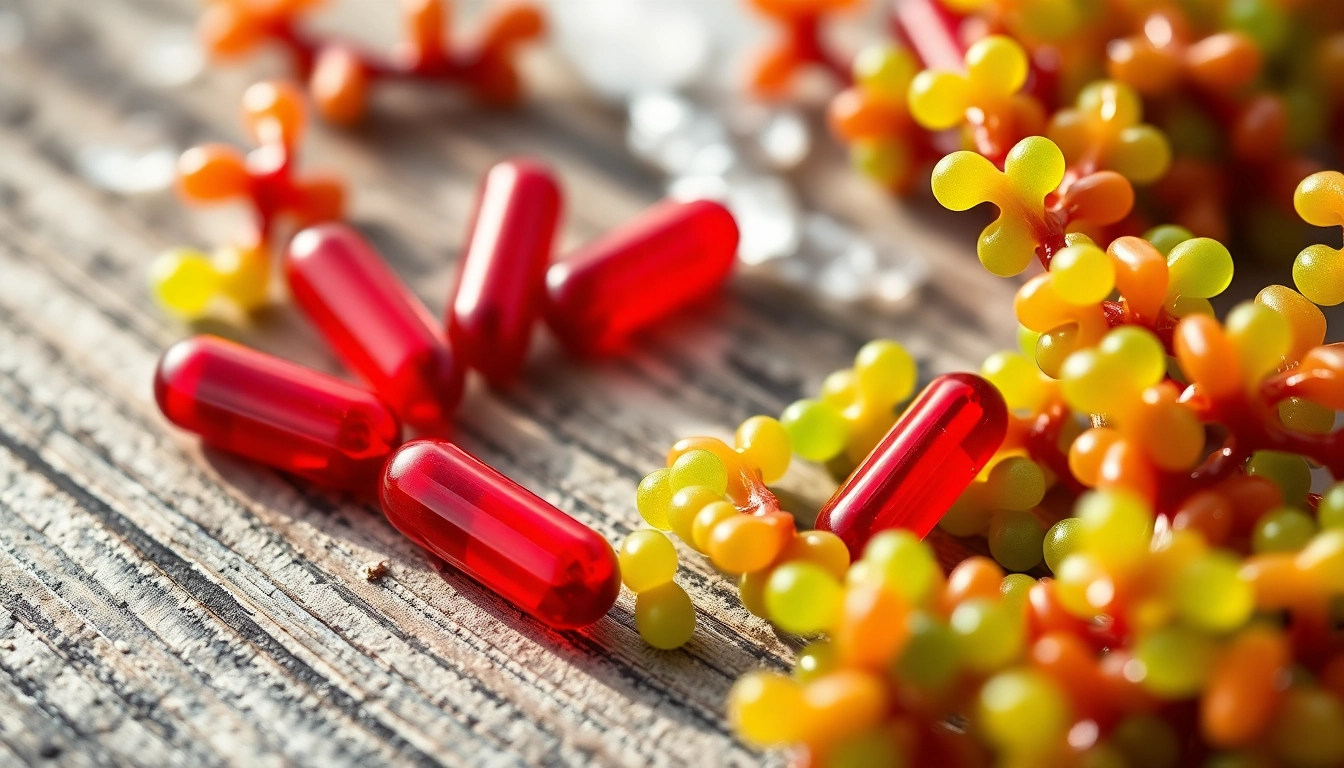
- Formulations: Look for products that contain natural astaxanthin derived from microalgae.
- Dosage: Most studies have used doses ranging from 4mg to 12mg per day. Consult with a healthcare provider to determine the appropriate dosage for individual needs.
- Quality: Choose high-quality, third-party tested supplements to ensure safety and efficacy.
Building Effective Diet Plans
When crafting a diet plan that includes astaxanthin, consider the following strategies:
- Diversity: Include a variety of antioxidant-rich foods to ensure a comprehensive nutrient intake.
- Meal Planning: Plan meals around seafood, salads, and colorful fruits that provide additional antioxidant compounds.
- Snack Smart: Opt for snacks like smoked salmon, seaweed snacks, or smoothies with added astaxanthin supplements.
These simple strategies can effectively increase astaxanthin intake and overall antioxidant consumption.
Addressing Common Myths about Antioxidants
Myth vs. Fact: Astaxanthin Edition
There are many misconceptions about antioxidants and astaxanthin in particular. Here are some common myths debunked:
- Myth: All antioxidants work the same. Fact: Different antioxidants target different free radicals and cellular damage.
- Myth: High doses of antioxidants are always better. Fact: Excessive intake can disrupt redox balance.
- Myth: Astaxanthin is only beneficial for skin health. Fact: Its benefits extend to eye, heart, and brain health.
Understanding Antioxidant Levels
Antioxidant levels in foods can vary greatly due to processing, cooking methods, and ripeness at harvest. Therefore, it is essential to consume a diverse range of foods for optimal antioxidant intake. To maximize benefits, prefer raw or minimally processed foods whenever possible, and focus on seasonal and local produce for higher antioxidant levels.
Common Questions Answered
What is the best source of astaxanthin?
Wild-caught salmon and microalgae are the richest sources of astaxanthin.
Can astaxanthin be harmful?
Astaxanthin is generally safe when consumed in recommended amounts but consult with a healthcare professional before starting any supplement.
How long does it take for astaxanthin to work?
Effects can vary, but most people may notice benefits within a few weeks of regular consumption.
Is astaxanthin effective for weight loss?
While astaxanthin can support metabolic health, it should be combined with a balanced diet and exercise for effective weight management.
Can I take astaxanthin with other supplements?
Astaxanthin can generally be taken with other supplements, but consult a healthcare professional for tailored advice.